Contenidos
The Psychological Thrill of Gambling
The allure of casino games lies not just in the potential for monetary gain, but also in the psychological thrill they offer. For many players, engaging in games of chance induces a rush of excitement that can be addictive. This adrenaline surge is often driven by the unpredictability of outcomes, which keeps players coming back for more. The anticipation of a big win can create a euphoric feeling that overrides rational thought, making it easy to lose track of time and money. In recent years, players have also shown interest in exploring new online casino canada options, finding fresh avenues for their entertainment.

This thrill-seeking behavior is rooted in human psychology, where the brain’s reward system plays a significant role. Winning, even in small amounts, triggers the release of dopamine, a neurotransmitter associated with pleasure and reward. As players experience this high, they may develop a skewed perception of risk versus reward, leading them to take on larger bets in hopes of replicating that exhilarating feeling.
Cognitive Biases in Decision Making
Cognitive biases significantly influence how players make decisions at the casino. One common bias is the «gambler’s fallacy,» where individuals believe that past outcomes can influence future events in games of chance. For instance, a player might think that if a slot machine hasn’t paid out in a while, it must be due for a win, despite each spin being an independent event. Such misconceptions can lead to irrational betting behaviors, often resulting in financial loss.
Additionally, many players fall prey to the «loss aversion» principle, where the pain of losing is felt more intensely than the pleasure of winning. This psychological quirk can cause players to chase losses, leading to larger bets and deeper financial commitments. Understanding these cognitive biases is crucial for players looking to make informed decisions and maintain control while gambling.
The Social Dynamics of Casino Play
The social environment of casinos can also shape player behavior and decisions. Many people enjoy the communal aspect of gambling, whether it’s engaging with others at a blackjack table or participating in lively poker games. This social interaction can enhance the entertainment value of gambling, but it can also lead to peer pressure and impulsive decisions. Players may feel compelled to wager more or take risks in the presence of others, driven by a desire to fit in or impress fellow players.
Moreover, casinos often design their spaces to facilitate social interactions, with layouts that encourage mingling and group play. This communal aspect can create an atmosphere where players become more susceptible to making emotional, rather than rational, betting decisions. Recognizing how social dynamics influence behavior is essential for understanding the psychology behind gambling.
The Role of Marketing and Casino Design
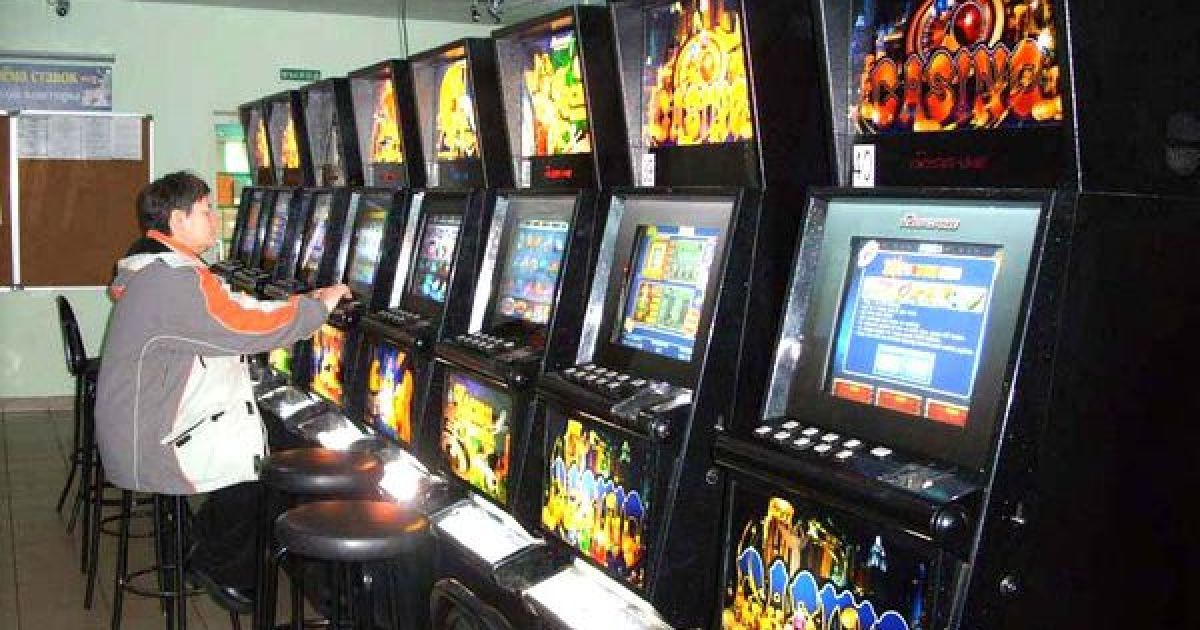
Casino operators are well aware of the psychological factors that influence player decisions, and they often employ strategic marketing and design techniques to attract and retain customers. From the vibrant colors and enticing sounds of slot machines to the absence of clocks and windows, every element is deliberately chosen to enhance excitement and prolong playtime. These sensory experiences can create a euphoric atmosphere that encourages players to lose track of time and spend more money.
Promotional offers, such as free spins or loyalty rewards, exploit psychological triggers like reciprocity and commitment. Players may feel compelled to reciprocate the «gifts» they receive from casinos by continuing to play, often leading them to spend more than they initially planned. By understanding these marketing tactics, players can better navigate their gambling experiences and make more informed choices.
Insights on Responsible Gambling
While the psychology of casino games can be fascinating, it’s important to approach gambling responsibly. Understanding the psychological factors at play can empower players to recognize when their behavior might be straying into unhealthy territory. Setting limits on time and money spent at casinos is crucial for maintaining a balanced approach to gambling.
Additionally, resources and support are available for those who may struggle with gambling-related issues. It is essential for players to prioritize understanding their motivations and behaviors while engaging in casino games. For visitors seeking engaging theatrical content, bluecanoetheatrical.ca offers insights into the world of performance, although access to the site may require contacting the owner due to security protocols. Engaging with various forms of entertainment can provide a balanced diversion and enhance overall well-being.